
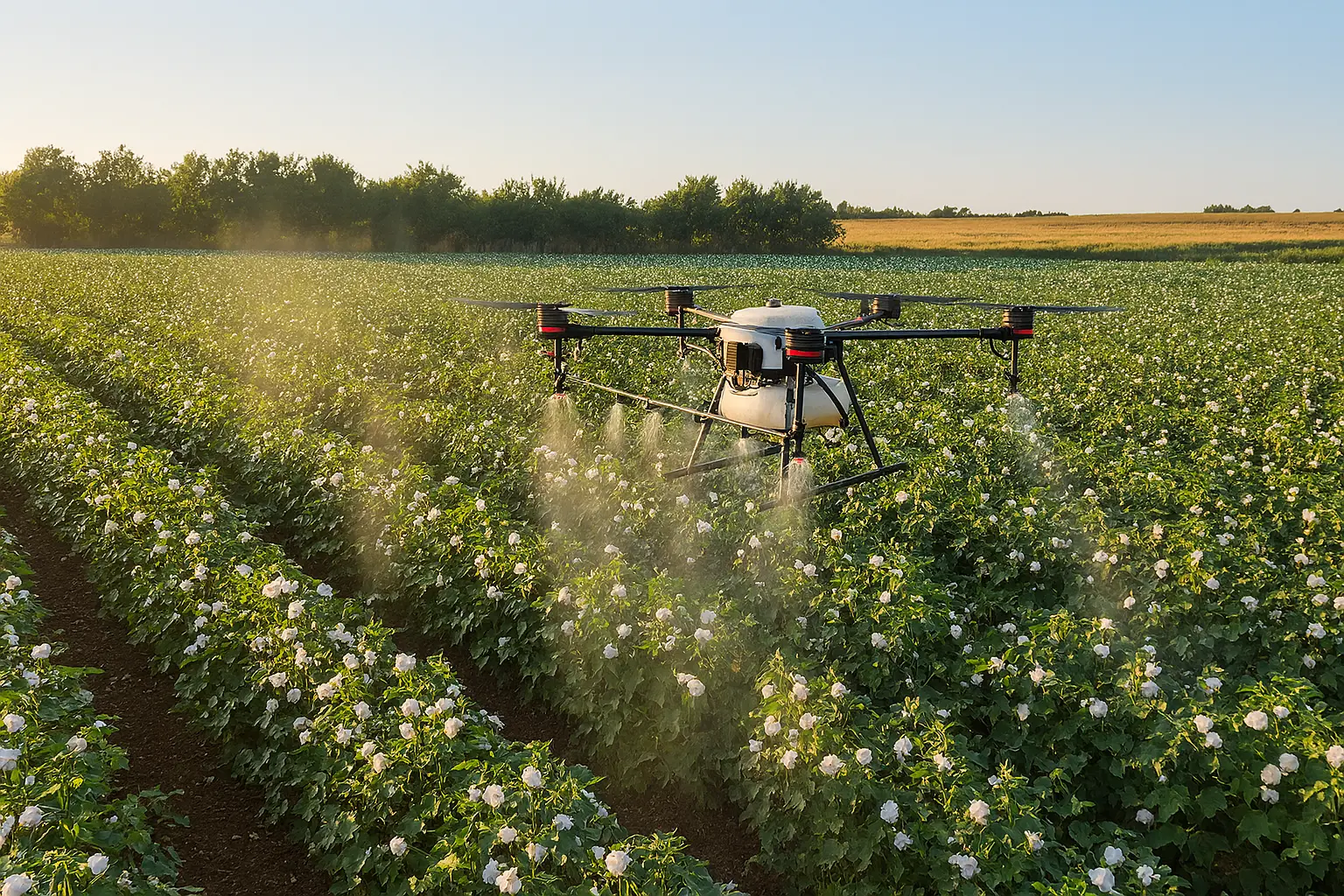
Tank mixing has become a cornerstone of efficient crop protection.In a single spray pass, growers can combine herbicides, fungicides, insecticides, nutrients, and biologicals to save time, reduce costs, and maximize field performance. But behind every successful spray is a balance of chemistry, formulation design, and equipment dynamics. When those factors misalign, the results can be costly. This post explores how advanced formulation strategies turn potential conflicts into dependable, field-ready solutions.
Why Tank Mixing Is a Strategic Advantage
Spray Once, Cover More: Efficiency in Action
Tank mixing allows growers to apply multiple crop protection products in a single pass, improving efficiency and precision. It saves time, fuel, and labor, while reducing soil compaction and crop damage. When formulations are designed to work together, tank mixes ensure each active ingredient performs as intended. This efficiency becomes critical during narrow spray windows, when growers must manage multiple pest, disease, and nutrient pressures simultaneously.

Smarter Control, Stronger Stewardship
Tank mixing supports integrated pest management by combining multiple modes of action in a single pass. This approach helps target diverse biological pathways, reduce repeat applications, and slow resistance development. Growers can also tailor treatments to crop stage, field conditions, and weather—delivering consistent performance across a wide range of scenarios.
Mixing for Sustainability and Soil Health
Tank mixes can include biologicals, micronutrients, and specialty inputs alongside conventional chemistries. When thoughtfully designed, these combinations streamline delivery and reduce separate applications. Fewer spray passes cut fuel use and soil disturbance—key to long-term sustainability.
Where Tank Mixes Go Wrong
When Chemistry Collides: Incompatibility Risks
Not all products play well together. Conflicts between actives, surfactants, or pH modifiers can lead to flocculation, separation, or sedimentation—reducing spray uniformity, clogging nozzles, and compromising efficacy. Even chemically stable mixes may cause phytotoxicity under adverse conditions or with sensitive crops. Biologicals are especially vulnerable: poor water quality, incompatible chemistries, or unsuitable adjuvants can damage microbial viability before the spray ever hits the field. Without clear guidance, growers face reduced performance and increased risk.

Equipment Strain and Application Gaps
Formulation behavior isn’t one-size-fits-all. Viscosity, droplet dynamics, and particle size all influence how a mix performs across different application systems. A tank mix that’s stable in high-volume ground rigs may behave unpredictably in low-volume drone or ULV platforms. Inconsistent flow and drift control can lead to uneven coverage and wasted input.
No Playbook, More Problems
Field conditions vary widely, and factors like water quality, temperature, mixing order, and timing all influence tank mix behavior. Biologicals and chemistries prone to instability under certain conditions require precise handling to remain effective, yet most growers depend on label instructions—though labels may not address all field-specific variables. Jar testing remains essential, especially when combining unfamiliar products, but is frequently skipped or done incorrectly. When problems arise, growers are forced to troubleshoot without reliable support, increasing operational risk and dissatisfaction. Inconsistent results don’t just compromise crop outcomes—they also erode confidence in the products themselves.
Designing Formulations That Hold Up in the Tank

Built-In Stability and Equipment Compatibility
Robust formulations [add link to built-in adjuvant post] are engineered specifically to stay stable and effective within complex tank mixes. Their stabilizers, emulsifiers, and pH buffers work to prevent clumping and separation as additional products are added—maintaining uniformity even with variable water quality, agitation levels, or mixing orders. These built-in features reduce reliance on external additives and keep the mixing process simpler and more predictable.
Safeguarding Biologicals and Fragile Chemistries
Biologicals and labile chemistries require special handling. Encapsulation, separation technologies, and gentle carriers help shield sensitive ingredients from degradation. These strategies allow microbial products to coexist with conventional actives without losing potency. Clear label guidance on mixing order, timing, and water quality supports safe integration and protects field efficacy.
How AgX Designs for Real-World Mixing
AgX formulations are built to perform reliably in complex tank mixes—not just under ideal lab conditions. Their team blends chemistry, biology, formulation science and in-depth understanding of application technologies to ensure active ingredients and adjuvants work together effectively. This proactive approach reduces the need for troubleshooting and supports consistent performance across diverse conditions.

Through its collaborative Product Design Analysis process, AgX works with partners from early-stage concept refinement through lab validation, field testing, and commercial rollout. Their team evaluates how formulations behave across tank mixes, application systems, and environmental conditions—including drone and ULV platforms. By modeling real-world variables and designing for compatibility from the start, AgX helps clients anticipate challenges, reduce variability, and deliver products that perform where it matters most
Mix with Confidence, Not Compromise
Smart formulation design isn’t just about chemistry—it’s about solving real-world challenges in the tank. By engineering compatibility, protecting sensitive inputs, and ensuring equipment fit, AgX creates products that enable growers to mix with confidence, not compromise.
In a world of tight spray windows, unpredictable conditions, and rising performance expectations, broad tank mix compatibility must be a strategic advantage—not a liability. AgX helps you get there.
If you’re ready to deliver formulations that perform under pressure, across platforms, and in the hands of real growers—start with AgX. Build for the tank. Perform in the field.